
When Your Garage Door Starts Talking, You Should Listen
A well-functioning garage door should operate relatively quietly — a smooth hum as the opener engages, the gentle movement of the door along its tracks, and a soft thud as it meets the floor. So when your garage door starts making grinding, squealing, popping, or banging noises, it's trying to tell you something.
For homeowners in Rockledge and the surrounding Space Coast communities, garage doors get a serious workout. Between the salt air, humidity, and daily use, components wear down faster than you might expect. The good news is that most garage door noises point to identifiable — and fixable — problems. The key is knowing what each sound means and acting before a minor annoyance becomes a major repair.
Grinding or Scraping Sounds
A grinding or scraping noise is one of the most common complaints we hear from homeowners. This sound typically indicates one of the following issues:
- Misaligned tracks: Over time, the metal tracks that guide your garage door can shift out of alignment. When this happens, the rollers scrape against the track edges, creating an unpleasant grinding noise. If left uncorrected, misaligned tracks can cause the door to get stuck or even come off the tracks entirely.
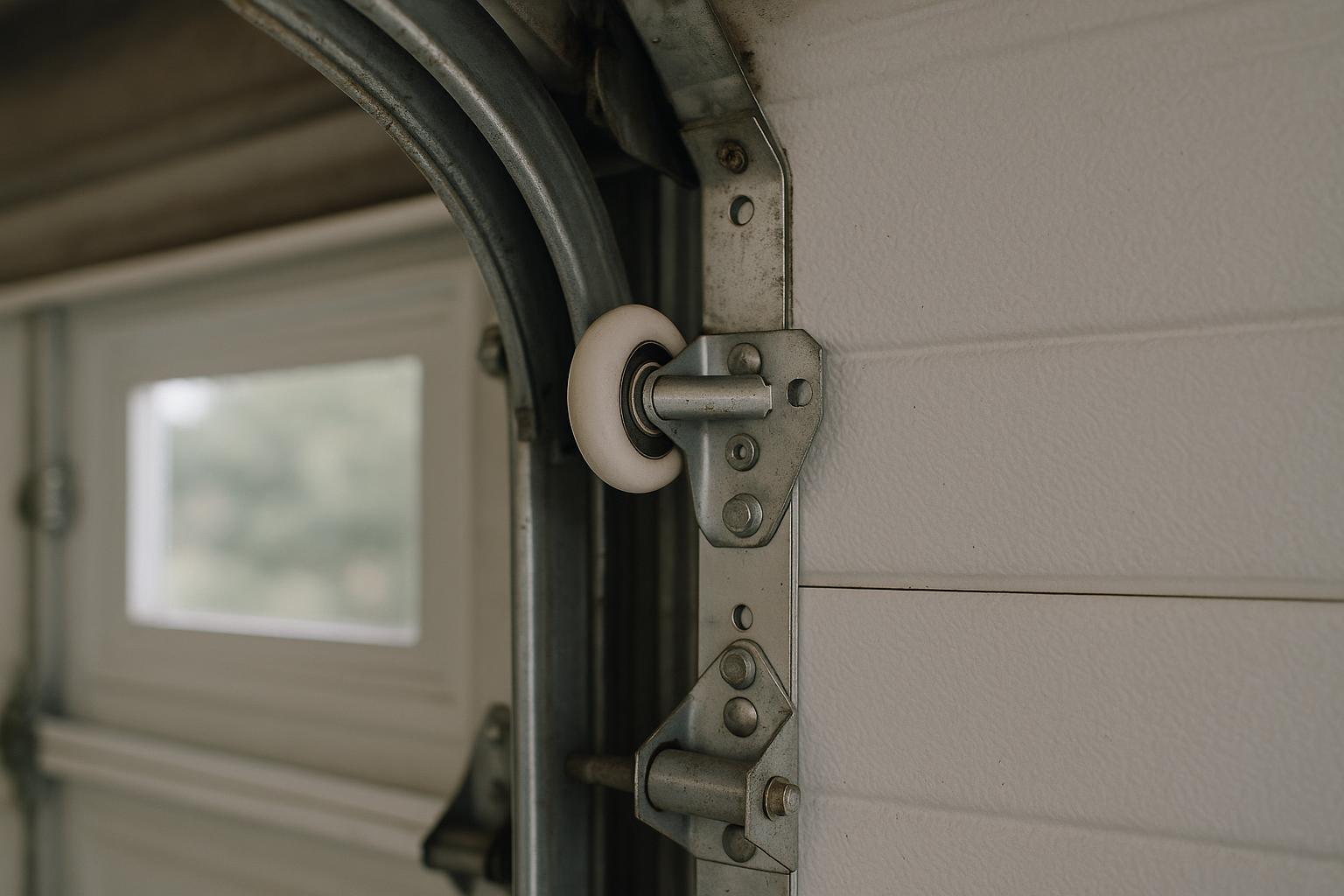
- Worn rollers: Steel rollers without bearings are notorious for grinding sounds, especially as they age. Nylon rollers are significantly quieter and tend to last longer, making them a popular upgrade for Rockledge homeowners looking for a quieter garage door.
- Lack of lubrication: Dry metal-on-metal contact creates friction and noise. Regular lubrication of the rollers, hinges, and tracks can eliminate grinding sounds and extend the life of your hardware.
Squealing or Screeching Noises
A high-pitched squeal or screech when your garage door opens or closes is hard to ignore — and you shouldn't try to. Common causes include:
- Dry or rusted springs: Your torsion or extension springs bear the full weight of the door. When they lack lubrication or begin to rust, they can produce a loud squealing sound during operation. A silicone-based lubricant applied to the springs can often resolve this, but rusted or corroded springs may need professional replacement.
- Worn-out bearings: The bearings in your rollers and spring system can wear down over time, especially in Florida's humid climate. When bearings fail, they create friction and noise that worsens with every cycle.
- Bent or damaged tracks: Even a small dent or bend in your garage door track can cause the rollers to squeal as they pass over the imperfection.
Quick Tip
Never use WD-40 as a long-term lubricant for your garage door. While it's great for loosening stuck parts, it's not a true lubricant and can actually attract dust and debris. Use a dedicated garage door lubricant or white lithium grease instead.
Banging or Slamming Sounds
If your garage door slams shut rather than closing gently, or you hear a loud bang during operation, pay close attention. These sounds can signal:
- Broken or weakened springs: When a torsion spring loses tension, it can no longer control the door's descent properly. The door may drop the last few inches instead of lowering smoothly, creating a banging sound. A fully broken spring will produce a very loud bang — almost like a gunshot — which many homeowners in Rockledge have described as alarming enough to think something fell in their garage.
- Loose hardware: The constant vibration of a garage door in motion can loosen nuts, bolts, and brackets over time. Loose hardware rattles and bangs during each cycle, and if left unaddressed, it can lead to more serious structural problems with the door.
- Opener issues: A garage door opener that's struggling to lift the door — due to a worn gear, incorrect settings, or a door that's too heavy for the unit — can produce banging or clunking sounds as it strains under the load.
Rattling or Vibrating Noises
A persistent rattle or vibration during operation usually points to loose components. Here's what to check:
- Loose chain or belt: If your opener uses a chain drive, a loose chain will rattle and vibrate during operation. Belt-drive openers can also develop slack over time, though they tend to be quieter overall.
- Unsecured mounting: The opener itself should be firmly mounted to the ceiling. If the mounting brackets or supports have loosened, the entire unit can vibrate and create a rattling sound that echoes through the garage.
- Worn hinges: The hinges that connect your garage door panels can wear out, especially on older doors. Worn hinges allow the panels to shift slightly during movement, producing a rattling or clinking noise.
Popping Sounds
A popping noise — especially when the door first starts moving — is often related to the torsion spring system. As the springs wind and unwind, they can stick slightly on the torsion bar if they're dry or corroded. The sudden release creates a popping sound. Regular lubrication usually resolves this issue, but if the popping persists, it may indicate that the springs are nearing the end of their lifespan and should be inspected by a professional.
What You Can Do at Home
Some garage door noises have simple fixes that homeowners can handle safely:
- Lubricate moving parts: Apply a silicone-based garage door lubricant to the springs, rollers, hinges, and tracks every six months. In Rockledge, where humidity and salt air accelerate corrosion, you may want to lubricate every three to four months.
- Tighten loose hardware: Using a socket wrench, check and tighten all visible nuts and bolts on the door, tracks, and opener brackets.
- Inspect the tracks: Look for visible dents, bends, or debris in the tracks. Wipe them clean with a damp cloth, but avoid using lubricant directly on the track surface, as this can cause the rollers to slide rather than roll.
- Listen and observe: Pay attention to exactly when the noise occurs — during opening, closing, or both — and where it seems to come from. This information is extremely helpful if you end up calling a technician.
When to Call a Professional
While basic maintenance can resolve many noise issues, some problems require professional expertise and specialized tools. You should call a garage door technician if:
- The noise is accompanied by the door shaking, jerking, or moving unevenly
- You suspect a broken or weakened spring (never attempt to repair or replace springs yourself — they're under extreme tension and can cause serious injury)
- The door is visibly off its tracks or sagging on one side
- Lubrication and tightening haven't resolved the noise
- Your opener is straining, overheating, or making electrical buzzing sounds
At Rockledge Garage Door, we diagnose and repair noisy garage doors every day. Whether it's a simple roller replacement, a track realignment, or a complete spring overhaul, we provide honest assessments and upfront pricing so you know exactly what you're paying for.
Don't Ignore the Warning Signs
A noisy garage door is more than just an annoyance — it's often an early warning sign of a component that's wearing out or failing. Addressing the issue early can save you from more expensive repairs down the road and prevent a situation where your door stops working entirely, leaving your home or vehicle exposed.
If your garage door has started making unusual noises and you're not sure what's causing them, give us a call. We serve homeowners throughout Rockledge, Cocoa, Merritt Island, Viera, Melbourne, and Cocoa Beach with fast, reliable garage door service you can count on.